
Description
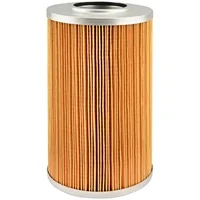
When your hydraulic system starts acting sluggish or you notice jerky three-point hitch movement, there’s a good chance your hydraulic filter needs attention. A dirty filter restricts oil flow and lets contaminants circulate through expensive pumps and valves—problems that’ll cost you way more than a simple filter change. This Baldwin hydraulic filter keeps your fluid clean and your equipment running smooth when you need it most.
What You’re Getting
- Large 7 1/4 inch length and 4 1/2 inch diameter provide maximum filtration capacity for extended service intervals
- Baldwin has been making filters for decades and knows what farm equipment demands, with housing that withstands pressure spikes, temperature swings, and constant vibration
- Quality filtration media captures metal particles from normal wear and dirt from dusty conditions while maintaining proper fluid flow rates
- Direct replacement design that fits multiple brands without modifications or adapters
Built for Real Farm Work
This filter works across Allis Chalmers tractors, Fiat-Allis equipment, Ford tractors, and Hough loaders—machines that handle everything from field operations to material handling around the farm. Whether you’re running a loader all day, operating three-point implements, or powering hydraulic remotes during hay season, these machines depend on clean hydraulic fluid for reliable operation when deadlines matter.
Made to Last
Baldwin filters are engineered to handle the pressure spikes, temperature swings, and contaminant loads that come with real-world hydraulic work. A quality hydraulic filter removes metal particles from normal wear, dirt from external contamination, and degraded oil compounds that can damage sensitive components while the high-flow design maintains proper pressure and prevents premature wear of expensive hydraulic pumps, control valves, and cylinders.
Good to Know
Change your hydraulic filter every 500 hours or annually, whichever comes first—during heavy-duty operations, check it every 250 hours. Before changing the filter, allow the hydraulic system to cool and relieve any pressure in the lines for safe service, clean the filter housing thoroughly before installing the new filter, and check your hydraulic fluid level after installation. Keep a spare on hand during busy seasons since hydraulic failures can cost more than several filters.
Reviews
There are no reviews yet.