
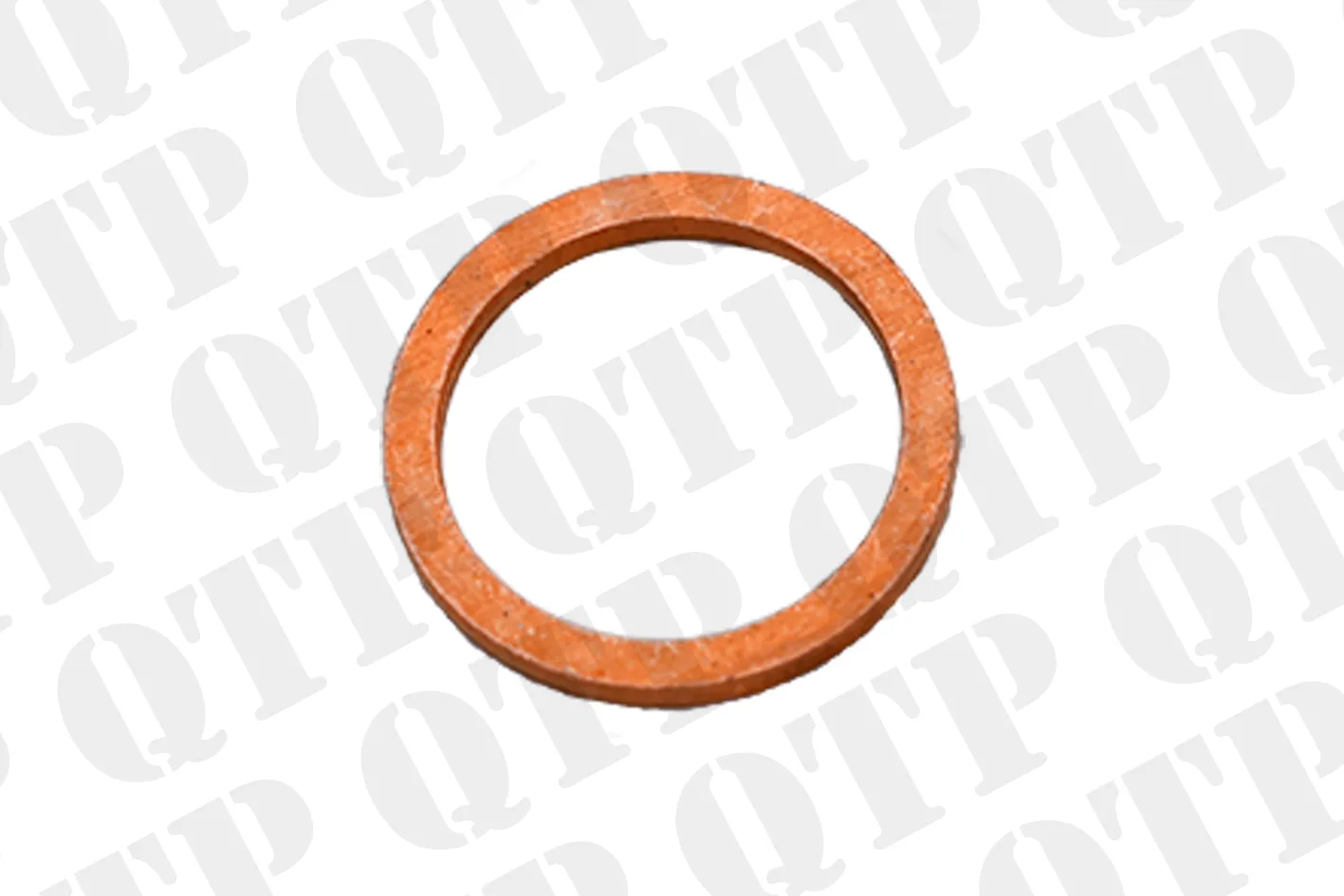
Description
When hydraulic cylinders start bypassing or you notice those telltale streaks of hydraulic fluid down the rods, you know the seals inside are calling it quits. This hydraulic sealing ring is engineered to handle the high pressures and flow rates of modern John Deere hydraulic systems while maintaining reliable sealing through thousands of connect/disconnect cycles. Whether it’s on your loader, three-point, or rear remotes, a fresh sealing ring gets you back to leak-free operation.
What You’re Getting
- Quality rubber compounds resist hydraulic fluid and temperature extremes while maintaining the flexibility needed for reliable sealing
- Engineered to handle the demanding conditions of agricultural hydraulic systems, from sub-zero morning starts to hot summer field work with heavy implements
- Direct replacement that restores proper sealing without system modifications
- Precision-sized to fit hydraulic cylinders and PTO systems on these popular tractors
Built for Real Farm Work
Your John Deere 6030, 6R, or 6M series tractor is built for versatility, handling everything from row crop farming and hay operations to loader work and specialty implement tasks. These 95-125 horsepower tractors rely on properly maintained transmission and hydraulic systems for loader work, PTO operations, and precision farming tasks. From cycling your front loader all day to running hydraulic-driven implements, these seals keep the fluid where it belongs while you focus on getting work done.
Made to Last
Farm equipment deals with temperature swings, vibration, and constant pressure cycles that can loosen connections over time. This clamp is made from materials that won’t crack or lose their grip, even after thousands of hours of operation. The specialized rubber compound resists breakdown from hydraulic fluid exposure and maintains its sealing properties through the demanding cycles of farm work.
Good to Know
Resealing your hydraulic system is a perfect winter shop project. Start by thoroughly cleaning the outside of all components – you don’t want dirt falling into open hydraulic lines. Always relieve hydraulic pressure before installing or servicing quick release couplings, and keep the coupling faces clean to ensure proper sealing. If you’re doing one seal, it’s often worth doing the whole cylinder while it’s apart.
Reviews
There are no reviews yet.