
Description
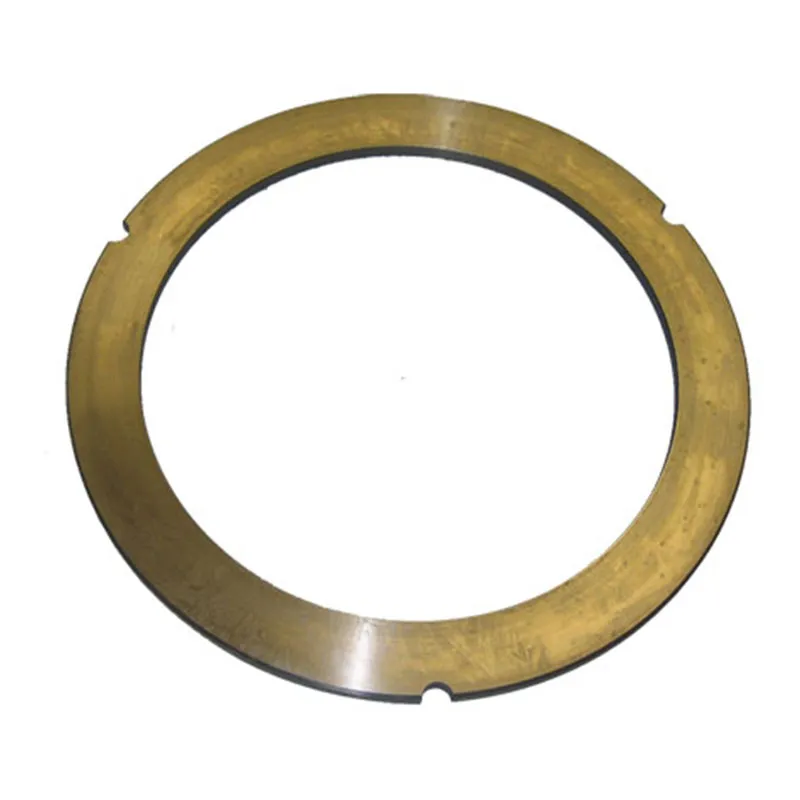
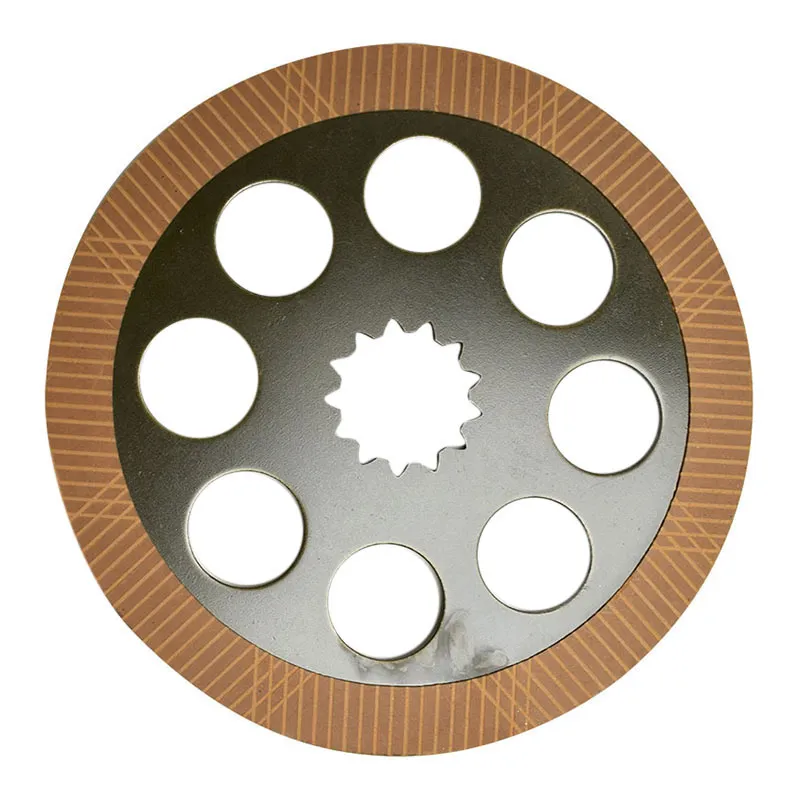
When your Ford TW or 30 series tractor starts grinding or squealing during braking, that brake wear plate has done its job protecting your brake disc from damage. There’s nothing worse than feeling your brakes grab or drag when you’re not pressing the pedal, or worse yet, having them fail when you need them most. When that brake piston starts sticking or wearing out, it’s not just annoying—it’s dangerous and wastes fuel by creating constant drag. This replacement wear plate gets your brakes back to smooth, reliable operation so you can stop safely whether you’re hauling grain or working steep ground.
What You’re Getting
- Direct replacement for worn brake wear plates that protects your expensive brake disc from scoring
- Precision-manufactured friction surface designed to handle the demanding loads of big tractors
- Heat-treated construction that dissipates brake heat effectively and resists warping under heavy use
- Manufactured to meet or exceed original equipment specifications, ensuring safe and reliable braking performance with proper friction coefficient
Built for Real Farm Work
These wear plates work with Ford New Holland’s proven brake system design found on everything from the versatile TW5 utility tractors up through the powerful TW35 and big 8000 series machines. Whether you’re running a loader, pulling heavy implements, or transporting equipment on public roads, reliable braking isn’t negotiable on these big tractors that can weigh 15,000 pounds or more when loaded.
Made to Last
Heat-resistant materials maintain effectiveness during extended braking periods, while the durable construction resists cracking and premature wear. Proper brake function is essential for operator safety and equipment protection, particularly when operating on slopes or with heavy implements. This isn’t a part you want to cheap out on—when you need to stop, you need to stop.
Good to Know
Brake work on these tractors requires splitting the tractor or removing wheels to access the brake assemblies. Professional installation recommended to ensure proper rivet placement and brake adjustment. Always replace brake linings in complete sets and inspect brake drums for wear or damage during installation. While you’re in there, check your brake fluid level and inspect the brake lines for any signs of wear or leaks.
Reviews
There are no reviews yet.