
Description
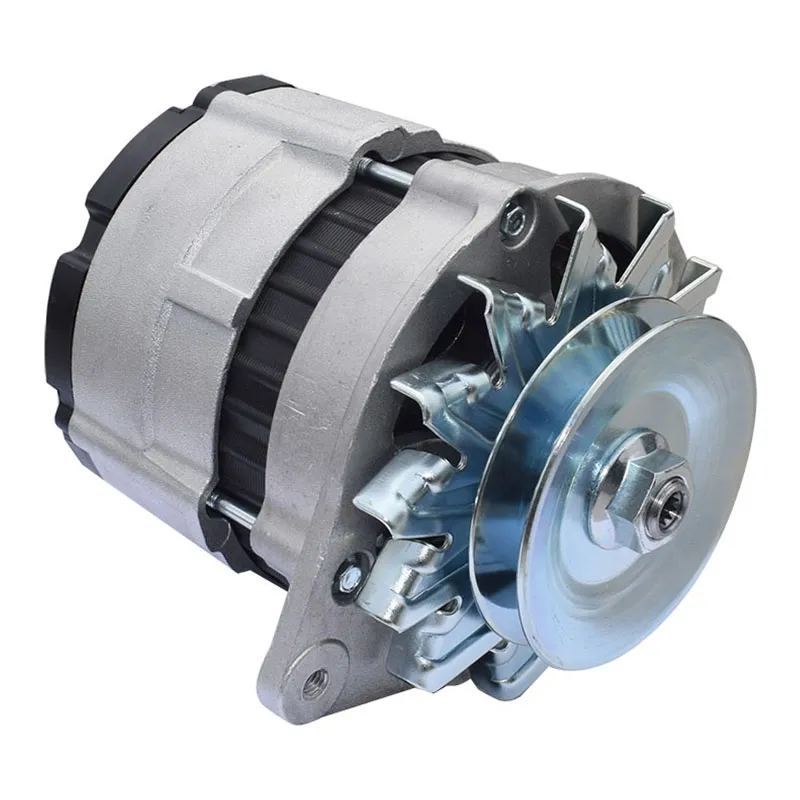
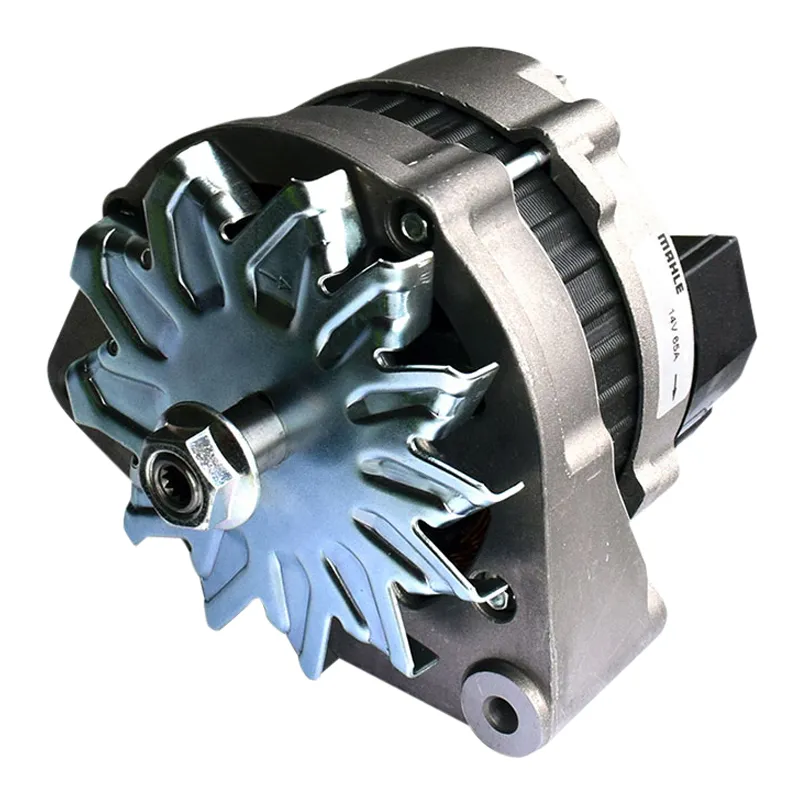
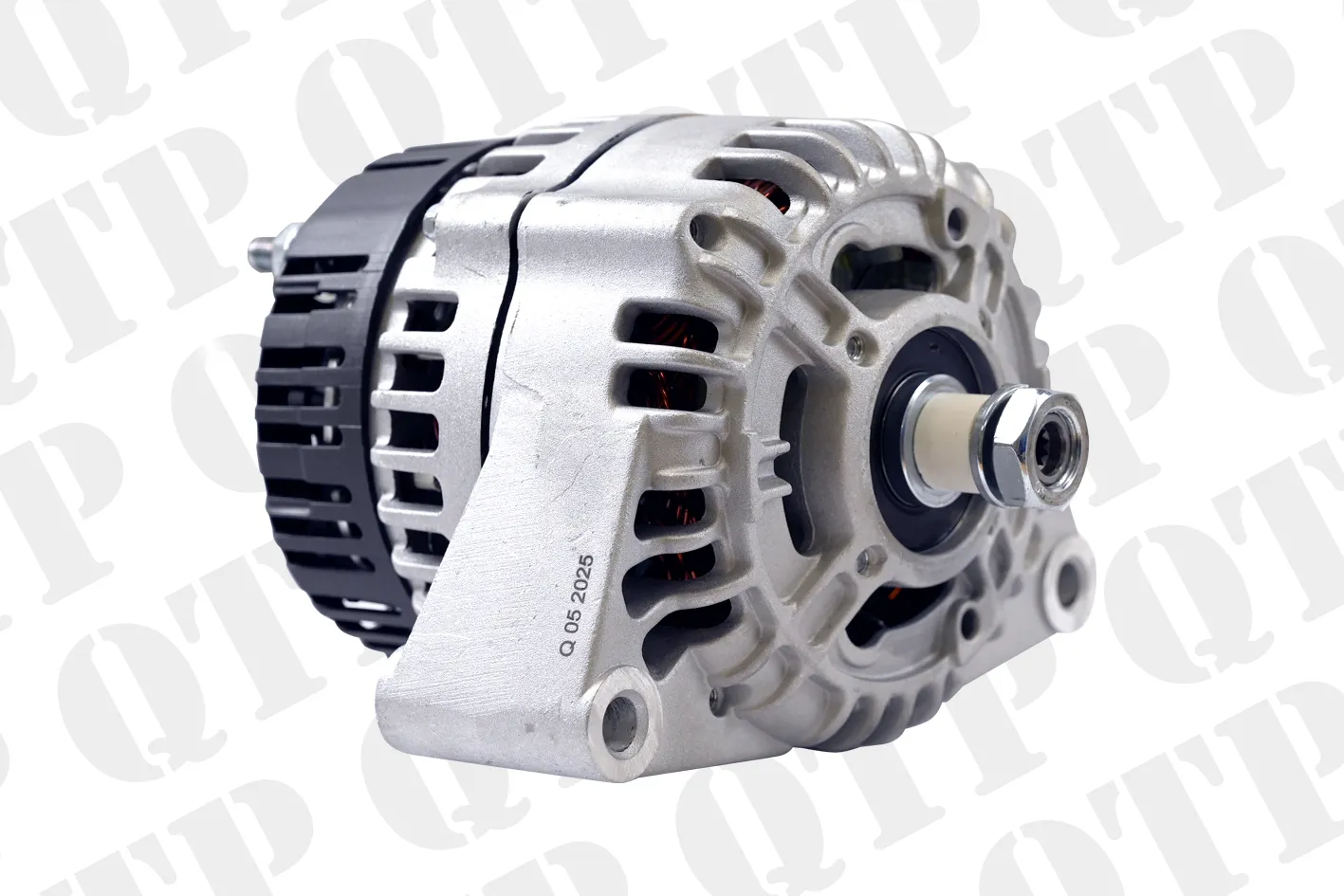
When you notice your lights dimming at idle or hear that slow cranking on cold mornings, you know it’s time for a new alternator. When your alternator starts going out, you’ll know it right away. Dim headlights during evening work, slow cranking on cold mornings, or that dreaded dead battery just when you need to get moving. This 65-amp MAHLE alternator is exactly what your David Brown or Valtra tractor needs to get the charging system back up to full strength and keep you running through those long workdays.
What You’re Getting
- MAHLE quality construction built specifically for agricultural applications
- The voltage regulator maintains steady output whether you’re idling while hooking up implements or running at PTO speeds
- 65-amp output handles your basic electrical needs plus some extras
- This 45-amp unit features quality bearings that handle V-belt tension without premature wear – same quality standards apply
- Direct replacement – no modifications needed
Built for Real Farm Work
These David Brown 94 series and Valtra models represent solid working tractors that handle everything from loader work to field operations. Whether you’re running a 1594 with a hay tedder or a Valtra 6600 pulling a heavy implement, this alternator provides the reliable charging power these honest working machines need. The 65-amp output is perfectly sized for tractors that aren’t loaded with electronics but still need dependable electrical power for lights, gauges, and basic systems.
Made to Last
MAHLE doesn’t just rebadge generic alternators – they engineer them specifically for agricultural use. This unit is designed to handle the constant duty cycle and harsh conditions of farm work. Farm environments are tough on electrical components, and this alternator is built accordingly. The internal voltage regulator keeps your battery properly charged without overcharging, protecting your electrical system for years of reliable service.
Installation Notes
Most farmers can handle this replacement with basic tools. Always disconnect the battery first to prevent shorts. Before installation, check why your old alternator failed. Worn belts, corroded connections, or a bad battery can kill alternators prematurely. While you’ve got the belt off, check its condition—a worn belt can cause charging problems even with a new alternator. Set proper belt tension according to specs, and check charging voltage after installation to make sure everything’s working right.
Reviews
There are no reviews yet.