
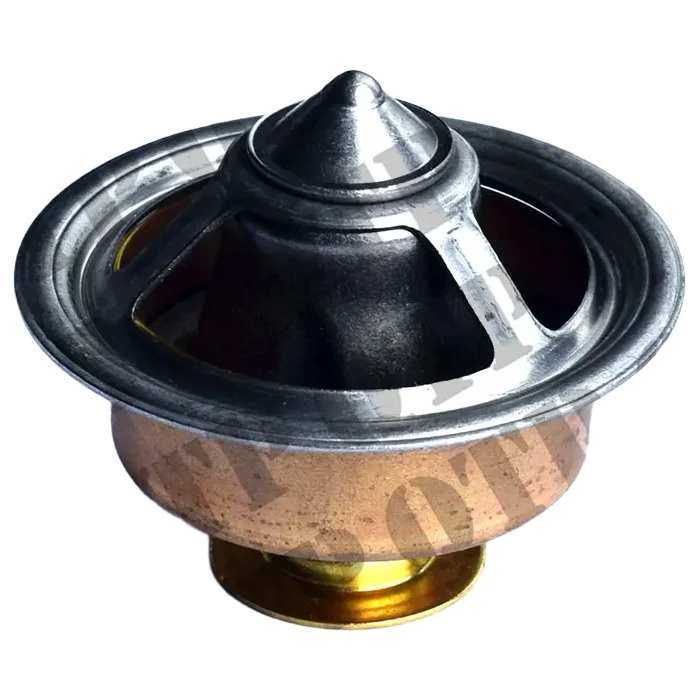
Description
If you’ve noticed your tractor taking forever to warm up on cold mornings, or worse yet, it’s never really getting hot enough to run efficiently, chances are your thermostat has given up the ghost. A stuck-open thermostat is just as problematic as an overheating engine—you’ll burn more fuel, put extra wear on your engine, and sit in a cold cab all winter. This replacement thermostat gets your John Deere running at the right temperature so it performs like it should.
What You’re Getting
- Precise temperature control that opens and closes exactly when it should
- Quality wax pellet mechanism that responds reliably to temperature changes
- Stainless steel construction that won’t corrode from coolant additives
- Complete seal gasket included for proper installation
- Direct replacement—no modifications needed
Built for Real Farm Work
Whether you’re firing up a 6420 for morning chores, running a 7520 all day in the bean field, or depending on your 6920 for heavy PTO work, proper engine temperature makes all the difference. These tractors are workhorses that need to reach operating temperature quickly and stay there, whether you’re pulling heavy loads or idling while you adjust equipment.
Made to Last
The wax pellet inside this thermostat is engineered to handle thousands of heat cycles without getting sluggish or sticking. Stainless steel components resist the corrosion that comes from modern coolant additives and hard water. The valve opens smoothly to let coolant flow when needed, then seals tight for quick warm-ups on cold mornings.
Good to Know
Thermostat replacement is straightforward, but pay attention to the details. Make sure the temperature sensing element faces toward the engine—install it backwards and it won’t work right. Clean the housing thoroughly and use the new gasket that comes with it. After installation, run the engine with the radiator cap off until you see the thermostat open and coolant start flowing, then top off the system. If your tractor’s been running cool, it’s worth checking your temperature gauge accuracy too—sometimes the problem is in the dash, not the engine.
Reviews
There are no reviews yet.