
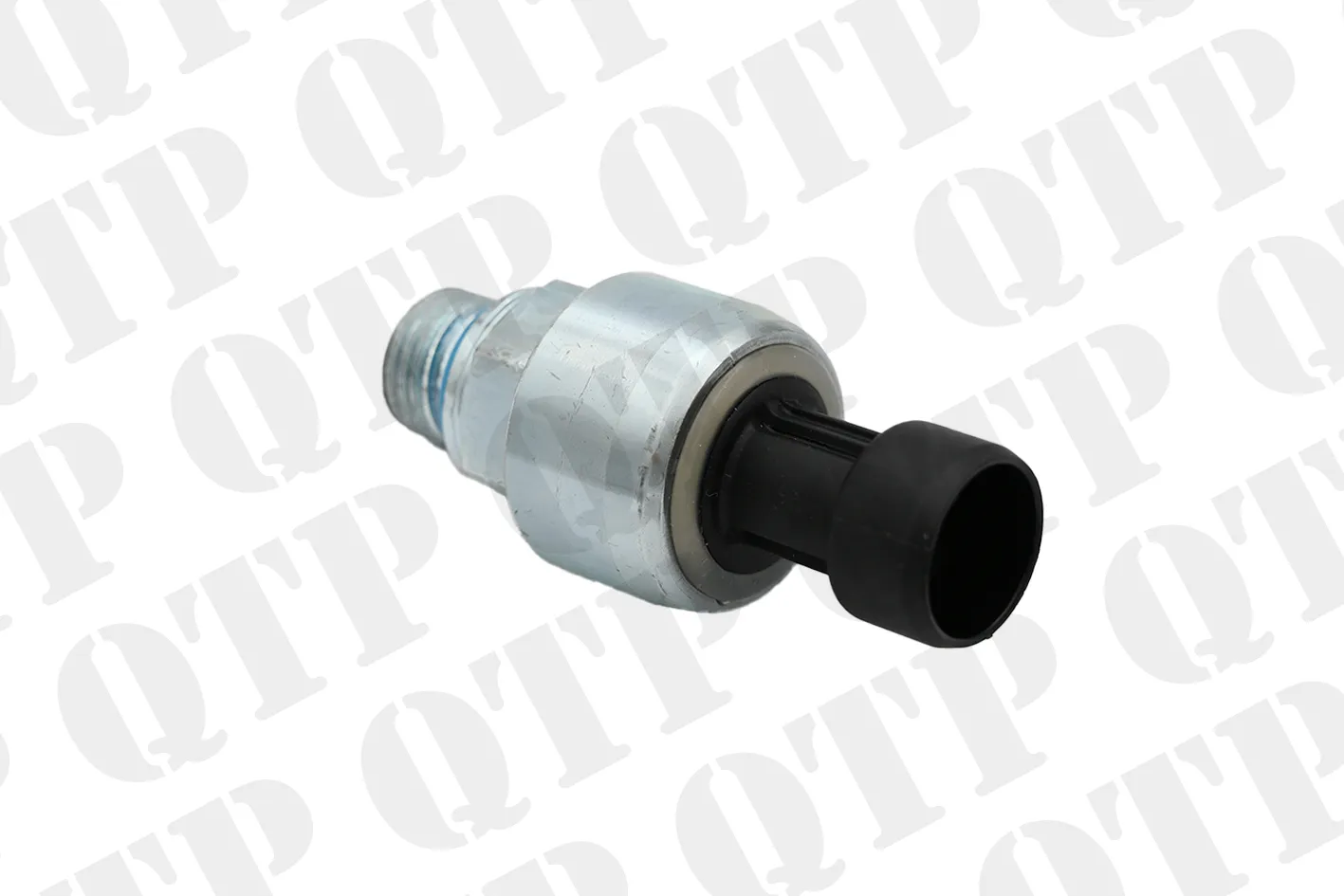
Description
When your big tractor starts acting up—hard starting, rough idle, or throwing engine codes—there’s a good chance the engine computer isn’t getting accurate fuel pressure readings. This handy fuel pressure sensor monitors fuel system pressure and sends that critical information to your tractor’s brain so it can keep everything running smooth. Without accurate pressure readings, the engine management system can’t properly control fuel delivery, leading to poor performance and potential engine damage.
What You’re Getting
- Precise fuel pressure monitoring that keeps your engine management system informed
- Direct replacement sensor that plugs right into your existing wiring harness
- Durable construction built to handle the vibration and heat of big diesel engines
- Factory-quality sensing element that provides accurate readings across all operating conditions
- Proper pressure range calibration for modern common rail fuel systems
Built for Heavy-Duty Farm Work
This sensor fits Case IH Magnum and Steiger series tractors along with New Holland T8, T9, and TJ series machines. These are the workhorses that pull the big implements, run the harvest equipment, and handle the heavy lifting on farms and ranches. From spring planting with massive air seeders to fall harvest with combines and grain carts, these tractors demand reliable fuel system monitoring to maintain peak performance during long operating days.
Made to Last
Big tractors work in tough conditions—dust, vibration, temperature extremes, and constant operation during critical seasons. This sensor is built to withstand the hostile environment under the hood, with robust internal components that won’t fail when you need them most. The electrical connections are sealed against moisture and corrosion, ensuring reliable operation season after season.
Good to Know
Installation is straightforward—unplug the old sensor and thread in the new one, but make sure to relieve fuel system pressure first for safety. Always relieve fuel system pressure before removing the old sensor, and be ready to catch any fuel spillage. If you’re getting pressure-related engine codes, this sensor is often the culprit and much cheaper to replace than major fuel system components.
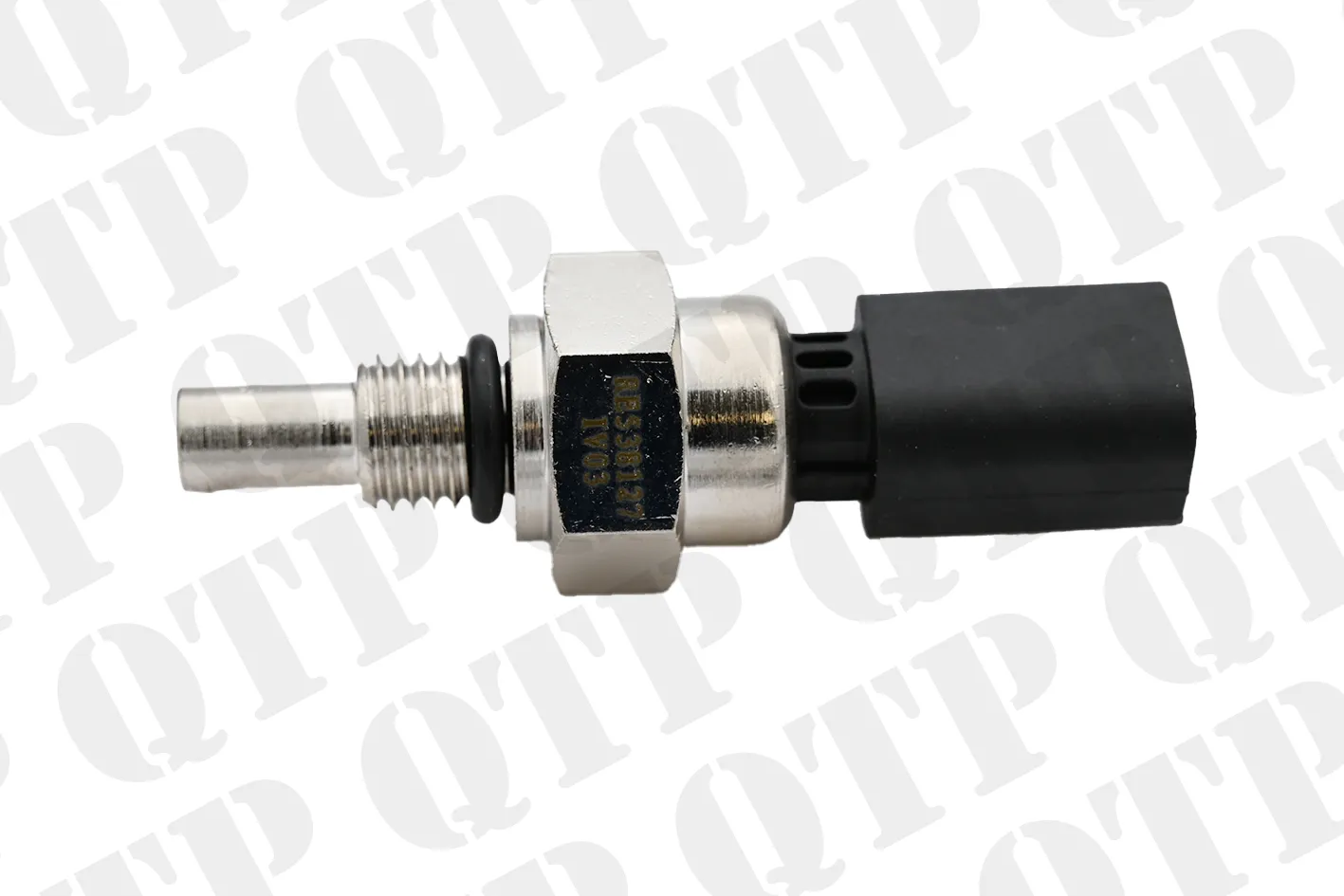
Reviews
There are no reviews yet.