
Description
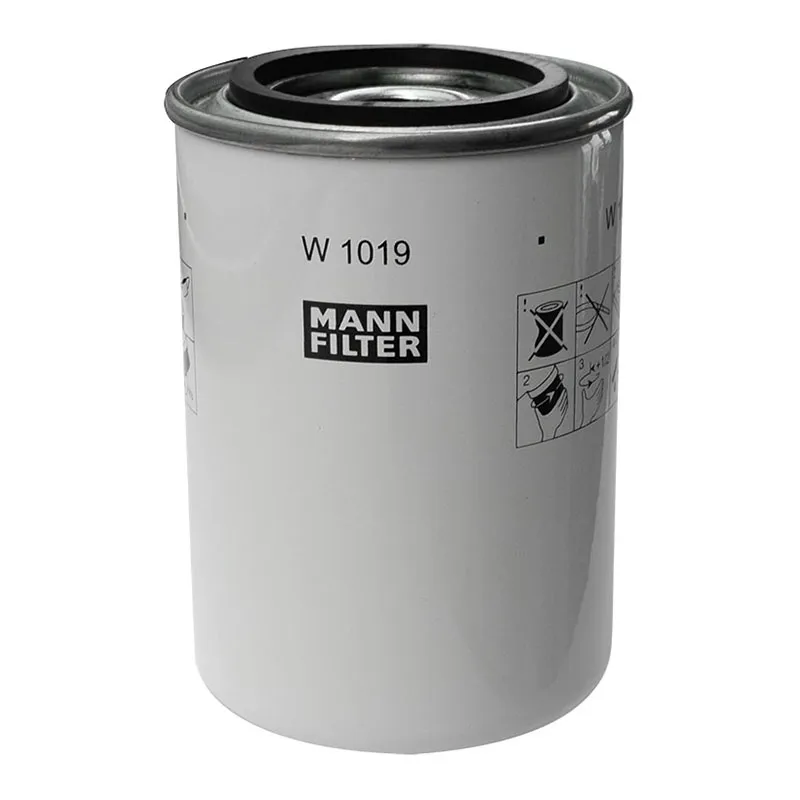
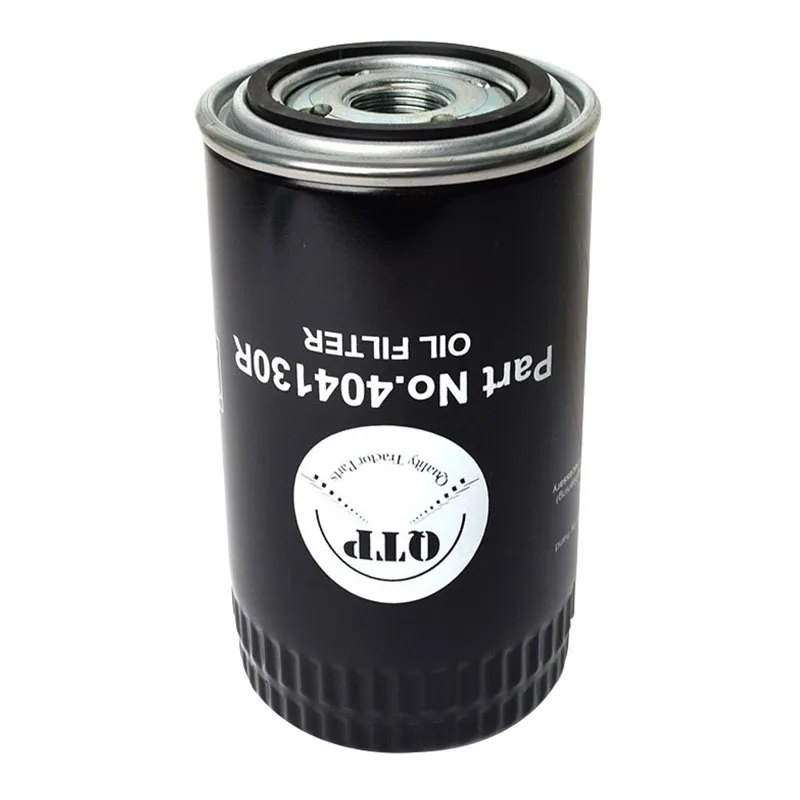
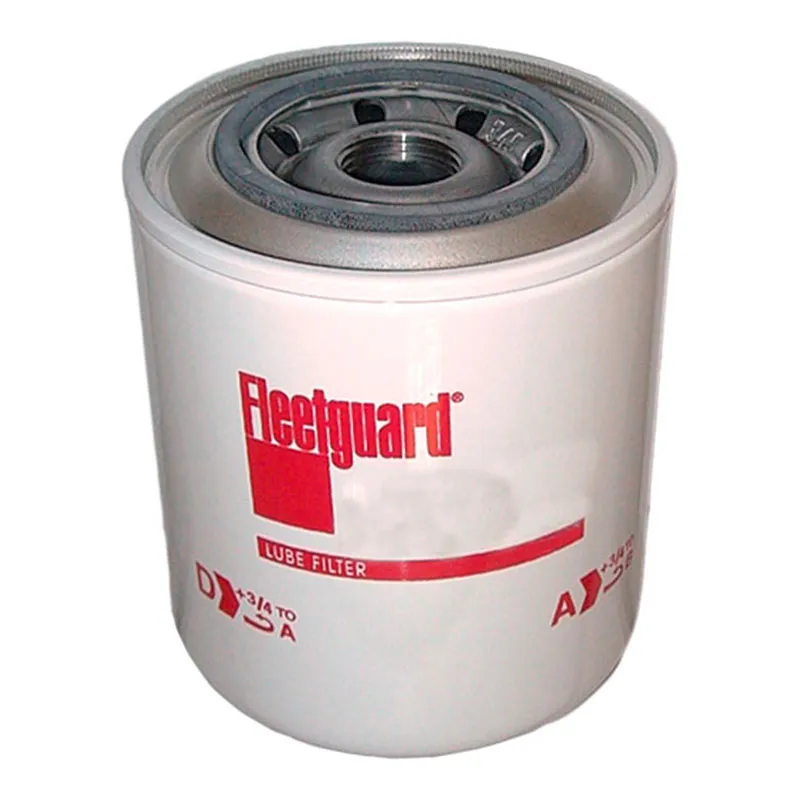
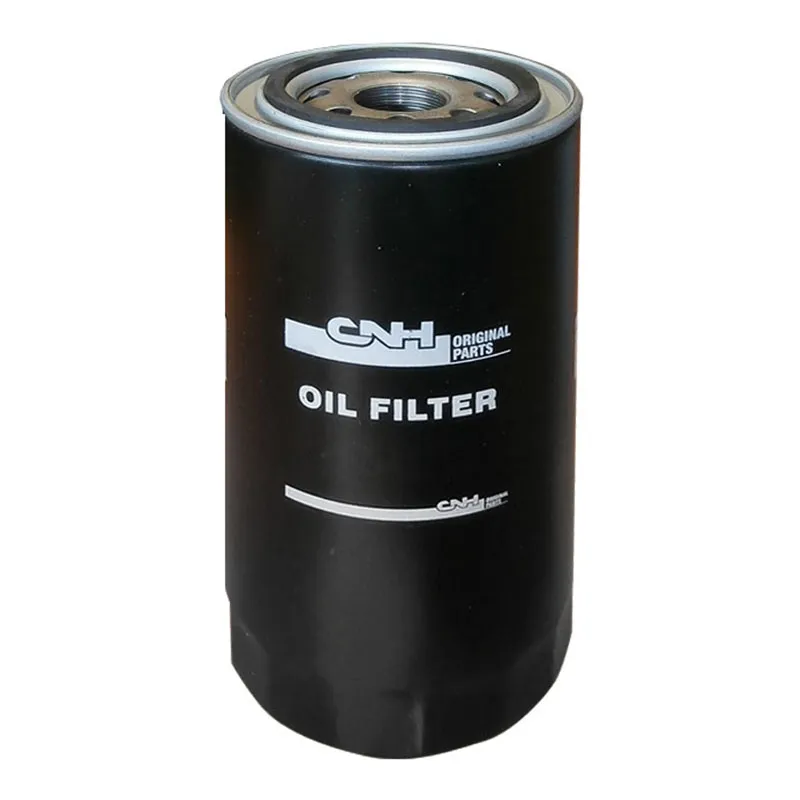
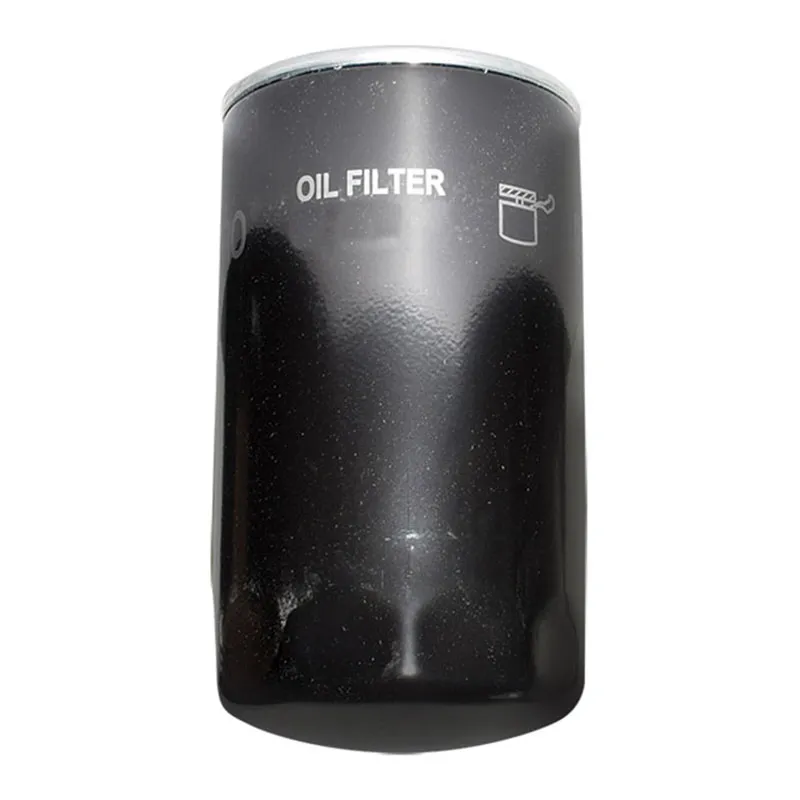
When your Massey Ferguson starts getting sluggish on the three-point hitch or the loader movements turn jerky, there’s a good chance your hydraulic filter is telling you it needs attention. When hydraulic filters get clogged or bypass, contaminated fluid starts circulating through your system, leading to sluggish operation, seal damage, and eventually complete hydraulic failure when you need your equipment most. This replacement element keeps your hydraulic oil clean and your tractor working smoothly.
What You’re Getting
- 130mm length and 60mm width provide optimal filtration capacity for MF hydraulic systems
- High-efficiency element design captures contaminants down to microscopic levels
- Heavy-duty construction handles hydraulic system pressure and flow demands
- The filtration media captures particles that would otherwise cause wear on expensive hydraulic components
- Quality materials resist breakdown from hydraulic fluid and temperature extremes
Built for Real Farm Work
Whether you’re running your Massey Ferguson 390 for loader work that puts constant demand on the hydraulic system, using your 4270 for heavy field operations, or operating a 275 with implements that require precise hydraulic control, this filter keeps your system working smoothly. It’s especially critical for tractors that do heavy hydraulic work – like those used for material handling, precision farming with hydraulically-controlled implements, or operations where hydraulic reliability can’t be compromised during critical work periods like planting and harvest.
Made to Last
This hydraulic filter element is engineered to provide reliable filtration in demanding agricultural applications while maintaining proper flow rates for optimal system performance. The filtration media captures particles that would otherwise cause wear on expensive hydraulic components, while the robust construction ensures the element maintains its integrity even under pressure spikes and flow surges that occur during normal hydraulic operation. It’s designed to protect your investment in hydraulic components while ensuring consistent system performance season after season.
Installation Notes
Installation typically involves locating the filter housing, relieving hydraulic pressure, and replacing the old element with the new one – make sure to check for proper sealing and correct orientation during installation. Always use clean hydraulic fluid when servicing the filter system, and inspect the old element for signs of unusual contamination that might indicate other system problems. Change hydraulic filter elements regularly according to manufacturer recommendations, and more frequently if you’re working in dusty conditions or notice sluggish hydraulic response that could indicate filter restriction.
Reviews
There are no reviews yet.