
Description
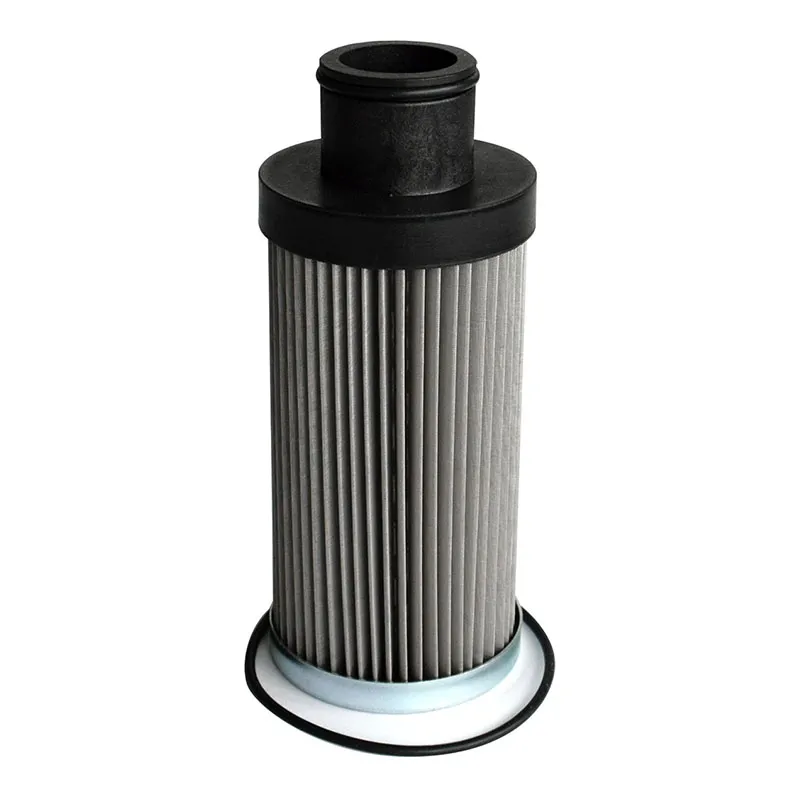
When your hydraulic system starts acting sluggish—loader moving like it’s working through molasses, three-point hitch that jerks instead of gliding, or that tell-tale whining sound that says something’s not happy—dirty hydraulic fluid is usually the culprit. This hydraulic filter keeps your system running clean and smooth, protecting thousands of dollars worth of pumps, valves, and cylinders from the dirt and debris that can turn them into expensive scrap metal. Clean hydraulic fluid is the lifeblood of your Valtra, and this filter is your first line of defense.
What You’re Getting
- High-efficiency filtration media that captures contaminants before they damage expensive hydraulic components
- Direct replacement design that fits multiple Valtra/Valmet series without modifications
- Quality construction built to handle the high pressures and temperature swings of farm hydraulics
- Proper flow characteristics that maintain system performance while filtering out harmful particles
Built for Real Farm Work
This filter fits Valtra and Valmet 6000, 8000, C, T, and M series tractors along with several other series used across diverse farming operations. Whether you’re running a mid-size C series for daily chores, powering through heavy work with an 8000 series, or depending on a versatile T series for everything from loader work to field cultivation, these tractors handle the demanding hydraulic loads that modern farming requires.
Made to Last
Farm hydraulics take a beating—high pressures, temperature extremes, and constant cycling of pumps and valves. When installing a new hydraulic pump, always change your hydraulic filter and consider flushing the system if contamination is suspected. This filter is engineered to handle those conditions season after season, with construction that won’t fail when you’re counting on your hydraulics most.
Good to Know
Installation involves draining the hydraulic system and replacing the old filter with fresh seals. Change filters every 500-1000 hours depending on your operating conditions—more often if you’re working in dusty environments or doing heavy hydraulic work. Always check the old filter when you change it—unusual contamination can tell you about other system issues before they become expensive problems.
Reviews
There are no reviews yet.