
Description
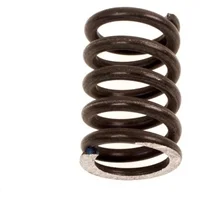
Anyone who’s worked on the older International Harvester tractors knows these hold down springs are the unsung heroes keeping your radiator and fuel tank where they belong. When the rubber mounts get old and compressed, or when those springs finally give up after decades of vibration and bouncing across rough fields, things start shifting around under the hood. This replacement spring gets everything back where it’s supposed to be, so your radiator stays put and your fuel tank doesn’t rattle like a paint can.
What You’re Getting
- Dual-purpose design works as either a radiator hold down spring or fuel tank hold down spring
- Strong steel construction that handles the constant vibration these old tractors dish out
- Correct spring tension to secure components without over-stressing mounting points
- Direct replacement that fits the original mounting brackets and holes
- Quality build that’ll outlast cheaper alternatives by years
Built for Real Farm Work
This spring fits a whole lineup of classic International Harvester tractors from the post-war era through the 1960s. Whether you’re restoring a Super M that’s been in the family for generations, getting an old H back in working order, or keeping a 400 series tractor earning its keep around the farm, these are the machines that built American agriculture. They’re still out there cultivating, mowing, and moving hay because they were built to last.
Made to Last
Farm equipment springs take a beating from engine vibration, road shock, and temperature swings from freezing winter mornings to blazing summer afternoons. This spring is manufactured to handle those conditions with quality steel that won’t sag or break under load. The spring rate is matched to the original specifications, so it holds components securely without creating stress points that lead to cracked brackets.
Good to Know
Installation is straightforward if you’ve got the right tools and a safe way to support components while you work. For radiator applications, you’ll typically need two springs per tractor, while fuel tank setups usually call for three. It’s smart to replace all the springs at once rather than mixing old and new—uneven tension can cause alignment problems. Take a good look at the mounting brackets while you’re in there, as these old tractors sometimes develop cracks that need welding before the new springs go on.
Reviews
There are no reviews yet.