
Description
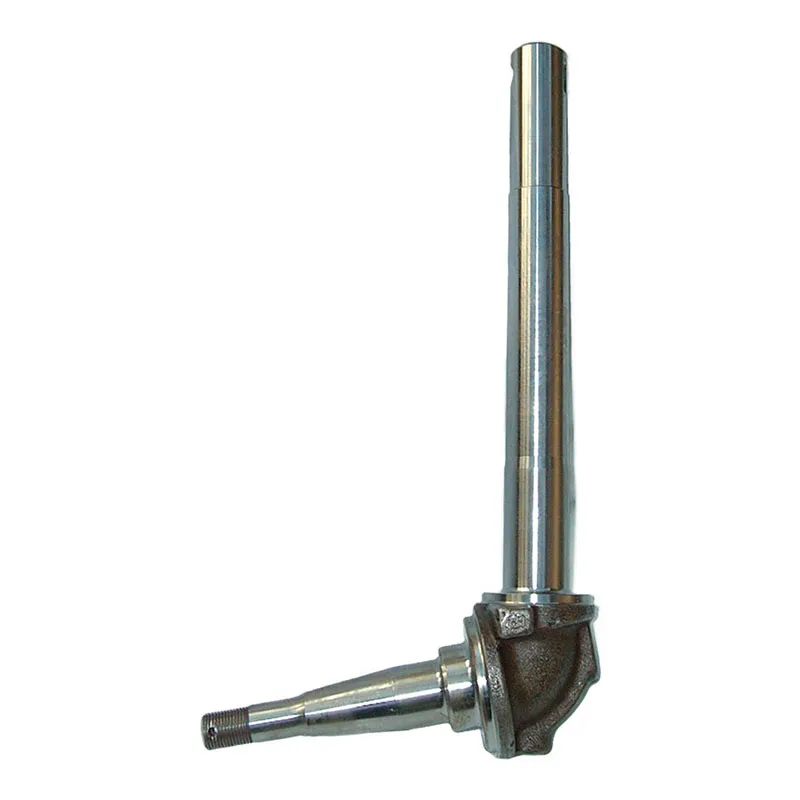
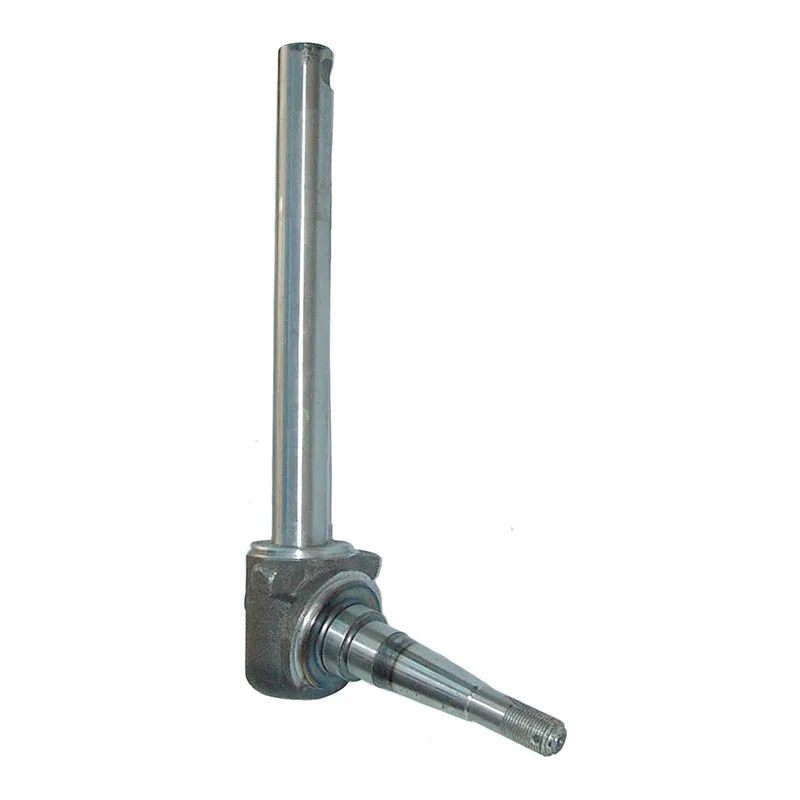
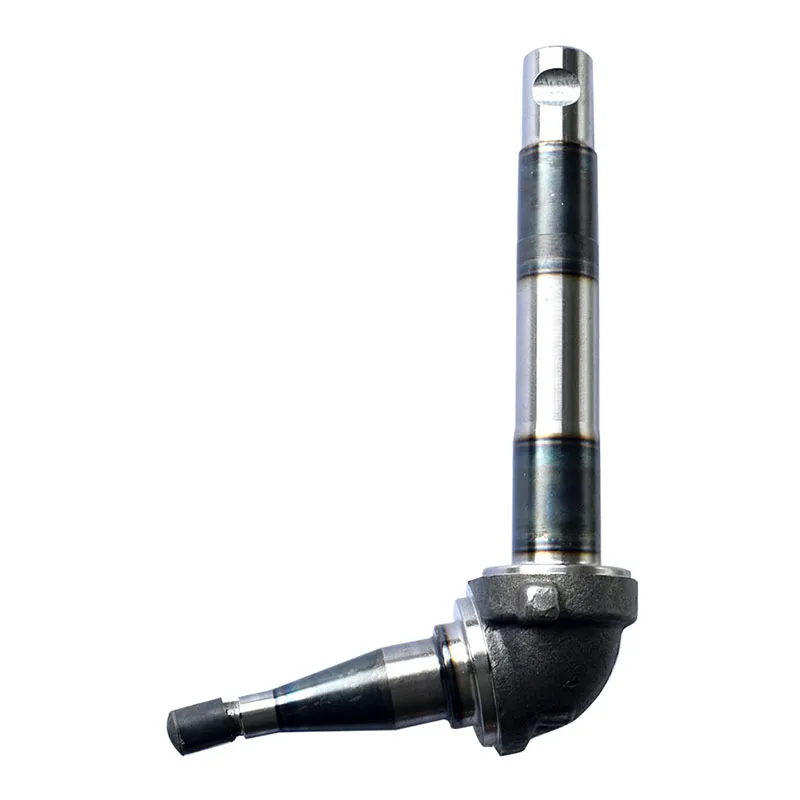
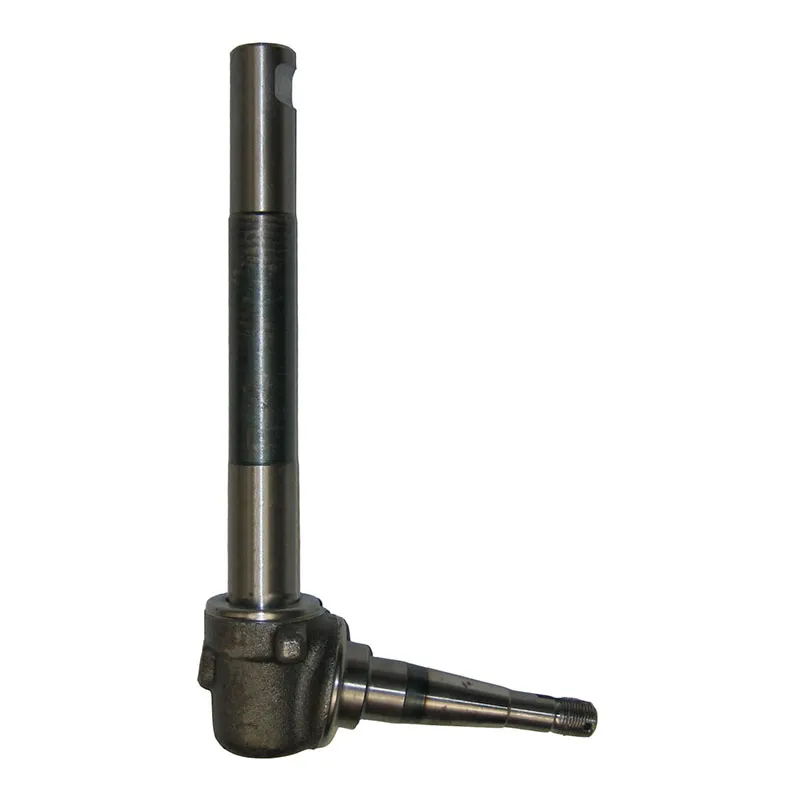
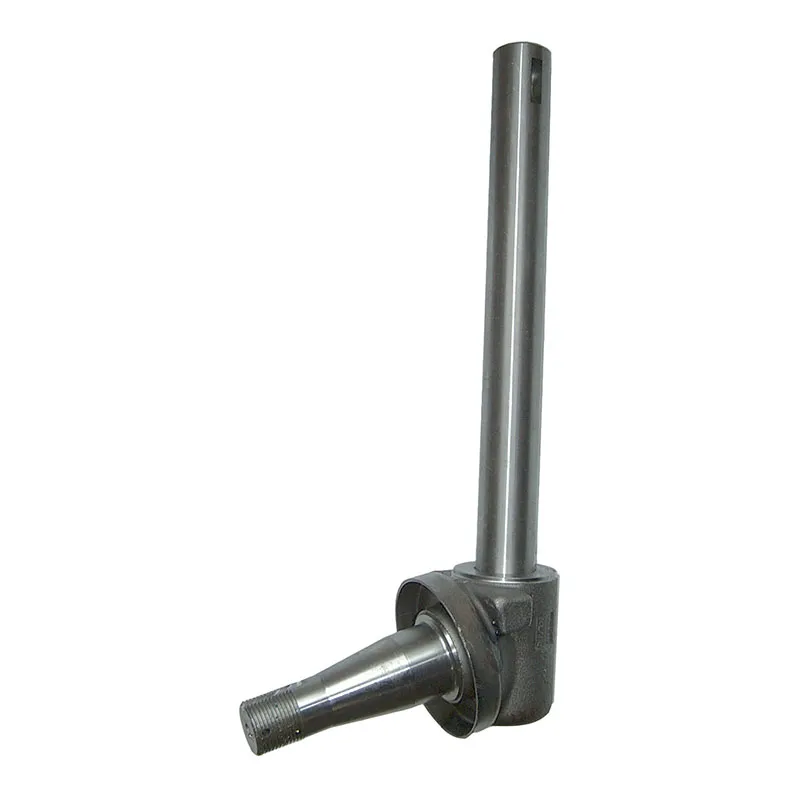
When you’re bouncing through field ruts or hitting the road for the next farm, that wobbling right front wheel isn’t just annoying—it’s dangerous. Every mile you drive with a worn spindle destroys bearings, chews up tires, and risks a wheel separation that could put you in the ditch. This right-hand replacement spindle eliminates the play and looseness that’s making your Ford unsafe to drive, restoring solid steering control and proper wheel alignment.
Key Features
- Precision-machined bearing surfaces provide smooth, wobble-free wheel rotation
- Hardened steel construction resists wear from constant farm and road work
- Exact OEM specifications maintain proper front-end geometry for safe handling
- Forged construction handles impacts from hitting curbs, rocks, and field hazards
- Direct replacement—no modifications needed for installation
Built for Real Farm Work
These Ford 2000 and 3000 series tractors are the workhorses of smaller operations—mowing pastures, running tillers, moving hay, and doing loader work. The right-hand spindle takes extra abuse because it’s usually the side that hits ditches, scrapes against fence posts, or takes the brunt when you’re working tight spaces. When bearing surfaces wear or the spindle gets bent from an impact, you’ll feel it in the steering wheel and see it in how your tires wear.
Made to Last
This isn’t just a shaft with threads—it’s a precisely engineered component with bearing races ground to exact dimensions and case-hardened to resist microscopic wear. The kingpin connection maintains proper angles for correct steering geometry, while the wheel mounting surface provides the right taper for secure attachment without the looseness that develops in worn spindles.
Installation Notes
Plan on about 2 hours for installation if everything cooperates. You’ll need to support the front end safely and remove the wheel, hub, and bearings. The toughest part is usually breaking apart components that have been together for decades—heat and penetrating oil are your friends. While you’re in there, inspect the bearings closely and check the left side too, since front-end wear is usually happening on both sides.
Reviews
There are no reviews yet.