
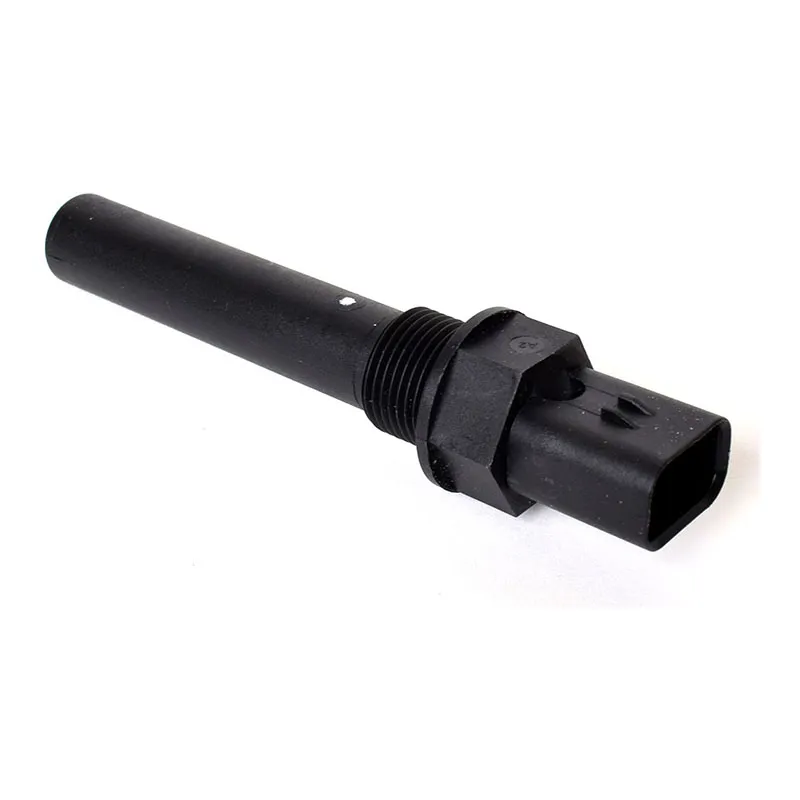
Description
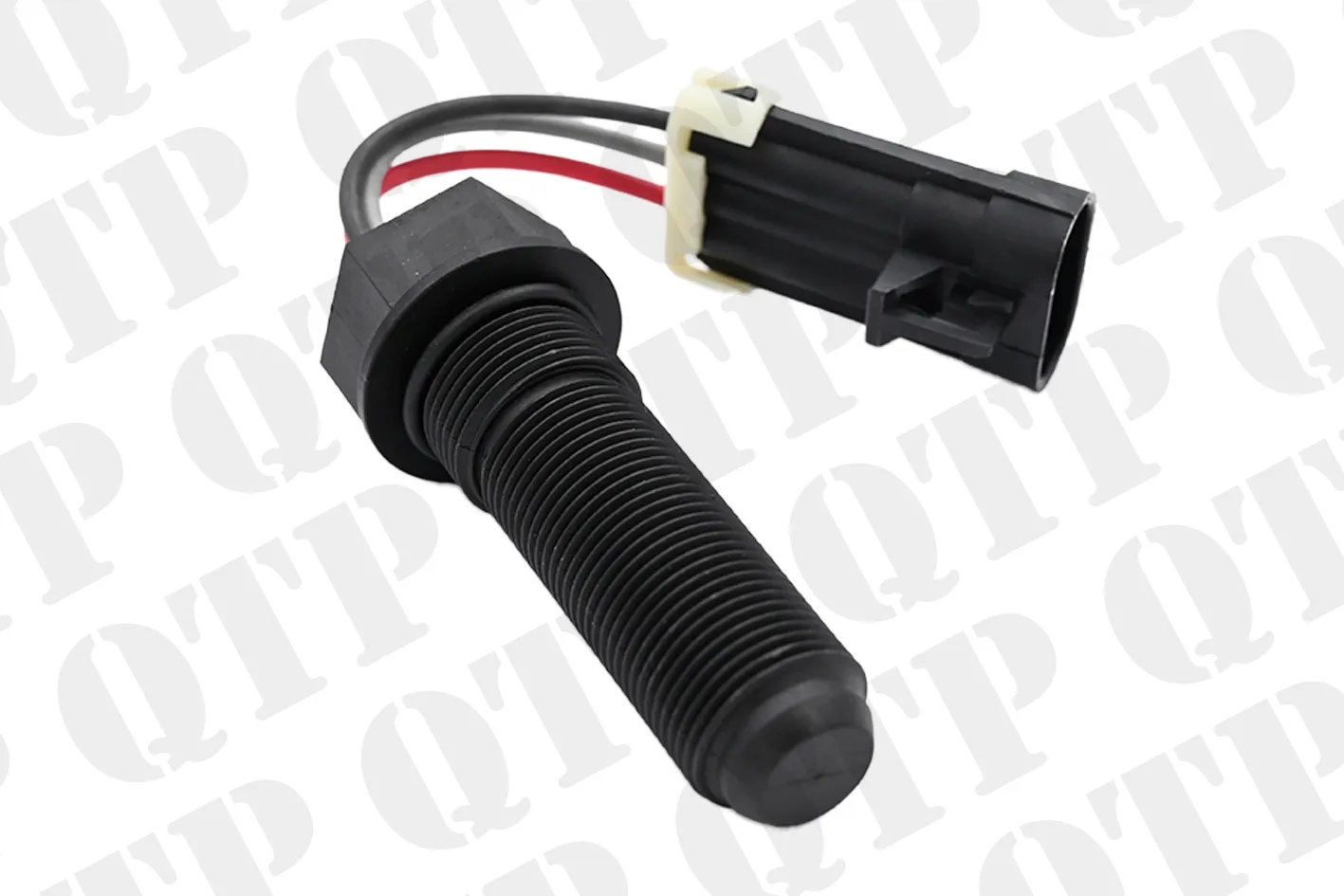
When your precision farming applications start missing the mark or your auto-steer starts acting up, a faulty wheel speed sensor is often the culprit. If you’ve been seeing “no speed signal” errors or erratic ground speed readings, this sensor is likely your solution. This wheel speed sensor feeds critical data to multiple systems – your variable rate controller needs it to apply the right amount of seed or fertilizer, your auto-steer uses it to maintain accurate tracking, and your yield monitor depends on it for bushels-per-acre calculations. When this sensor fails, you might be over-applying expensive inputs in one area and under-applying in another. It’s the difference between precision farming and expensive guesswork.
What You’re Getting
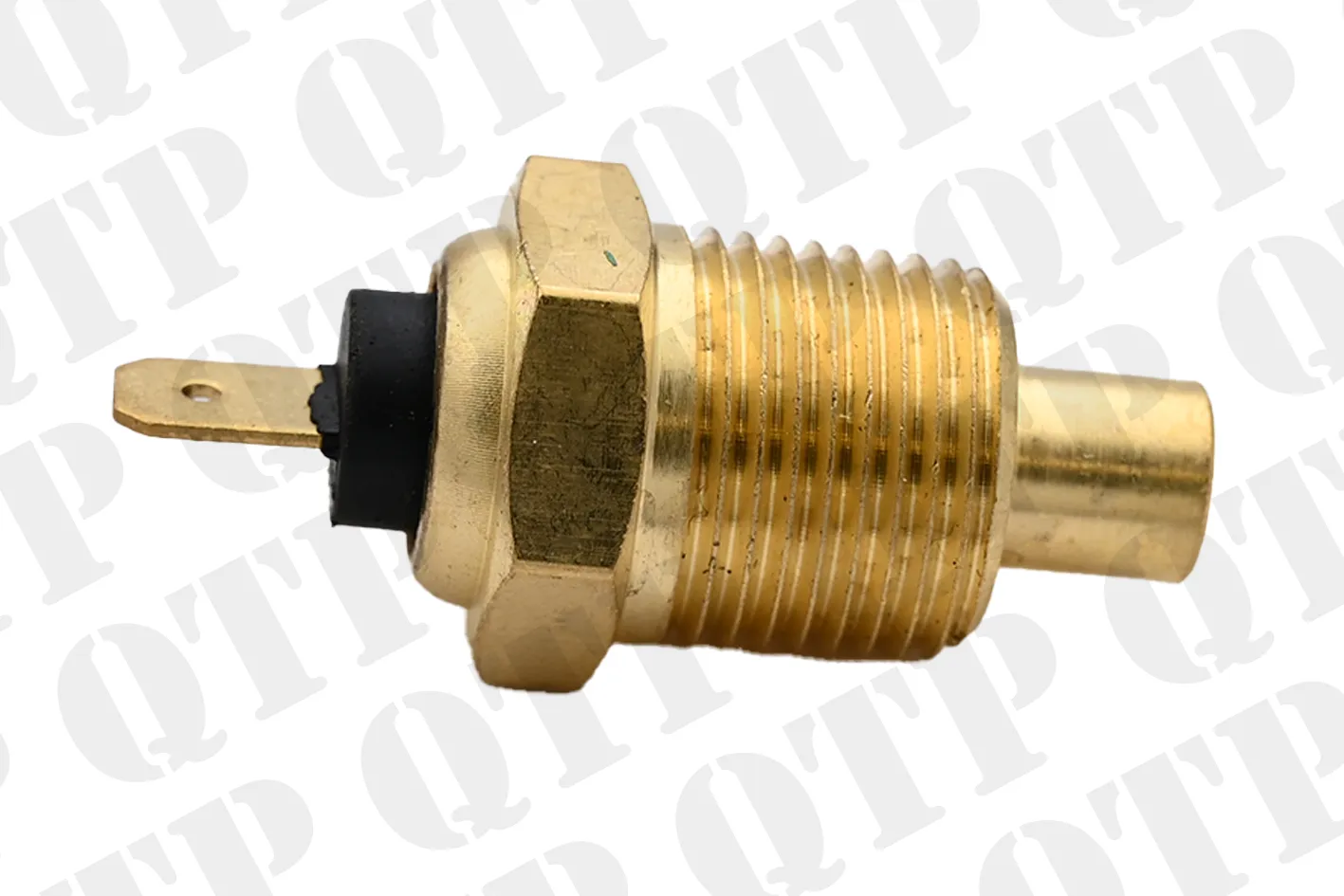
- Precision electronic sensor that monitors wheel rotation for accurate ground speed readings
- Direct-fit replacement that restores proper signal to your CommandCenter and GPS systems
- Precision electronics detect even slight wheel rotation, accounting for everything from tire slip in wet conditions to the difference between road speed and field speed
- Sealed construction that handles mud, moisture, and agricultural chemicals without missing a beat
- Temperature-stable components that maintain accuracy from cold mornings to hot field work
Built for Real Farm Work
This sensor is designed for the serious horsepower of John Deere 8R series tractors – the 225 to 400 horsepower machines that handle your biggest fieldwork. Whether you’re pulling a 60-foot planter, running a massive cultivator, or applying variable-rate fertilizer across hundreds of acres, these are the tractors doing the heavy lifting on today’s farms. Many precision farming issues trace back to faulty wheel speed data – this sensor is fundamental to everything from yield mapping to section control.
Made to Last
Located at the wheel hub, installation requires proper positioning relative to the tone ring for accurate readings. This sensor’s built tough enough to handle the vibration and stress of big tractor operation while maintaining the precision your modern farming systems demand. The sealed electronics resist the mud, chemicals, and moisture that would kill lesser sensors.
Installation Notes
Clean all mounting surfaces and electrical connections thoroughly – corrosion here causes erratic readings. The sensor gap is critical; too close risks damage, too far gives weak signals. After installation, calibrate through your display by driving a known distance. In today’s high-input-cost environment, applying exactly what’s needed where it’s needed isn’t just nice to have – it’s essential for profitability. This sensor ensures your $300/bag seed corn goes exactly where planned, your nitrogen gets applied at the prescribed rate, and your sprayer maintains proper gallons per acre regardless of ground speed changes.
Reviews
There are no reviews yet.